

I want to talk about actions the Trump administration has taken that will result in the greatest loss of life in the world, but may go almost unnoticed here in the US, namely, the closure of the United States Agency for International Development (USAID) and the dismantling of the one of the most impactful public health programs in history, PEPFAR (US President's Plan for AIDS Relief).

USAID was established in 1961 to counter the global influence of the former Soviet Union. The goal was to provide humanitarian support, not military might, and as a result of this outreach and support, the US developed allies around the world. USAID was highly effective. In 2025, Trump ended 83% of all projects, and the agency was scheduled to close completely by September 2026.
In the last 20 years, it had an average annual budget of $25 billion annually, providing developmental assistance in 100 countries, supporting global health, environmental protection, and democratic governance. The agency is credited with saving between 4.1 and 4.7 million lives, including between 1.2 and 1.7 million children. In 2025, the medical journal The Lancet estimated that the Trump administration’s funding cuts could result in 25 million preventable deaths, of which 4.5 million would be children.
USAID has supported countries with disaster support, poverty relief, socioeconomic development, as well as technical and legal assistance, financial assistance and public-private partnerships. These activities helped stabilize these countries and prevent unrest and radicalization of struggling populations.
PEPFAR was started under President George Bush in 2003. At that time, it was recognized that HIV was an international problem that definitely spilled over into the US, and the US needed to do something to address it. Its focus was to provide education and treatment, largely to sub-Saharan Africa. It has provided $120 million for HIV and AIDS relief, saving about 25 million lives. In 2025 Trump froze funding for 90 days, taking their computers offline. Without funding for medications, refrigeration, etc., many sites had to close. It is estimated that 262,915 adults and 518,418 children will die after one year without renewal of funding.
And if measuring the significance of closing these agencies in human costs isn’t enough, there are other activities of these agencies that, when lost, are likely to impact us here in Vermont. There is one impact that has been in the news in the last few days: pandemic preparedness. As we saw with COVID, the disease may have started thousands of miles away, but it ended up killing over one million people in the US. And now we have exposures of Americans overseas to the deadly Hantavirus. Effective education, research, and tracking over several countries is critical to protecting the US. And we have lost those links we took for granted, and then Trump pulled the US out of the World Health Organization and fired officials at the CDC who track and understand these illnesses. This severely limits their ability to protect us. For example, USAID was a major factor in preventing the spread of Ebola.
Most of the world helps the US, either by buying our products or providing raw materials for our manufacturing. When the US abruptly eliminated USAID and PEPFAR, it showed the US to be an unreliable partner, and countries were forced to look elsewhere for support. China and Russia are happy to move in and take over these markets.
Whether you have followed these developments or not, they will be impacting us here in the Mad River Valley, and knowledge of these actions should help us understand what to ask of our public servants.
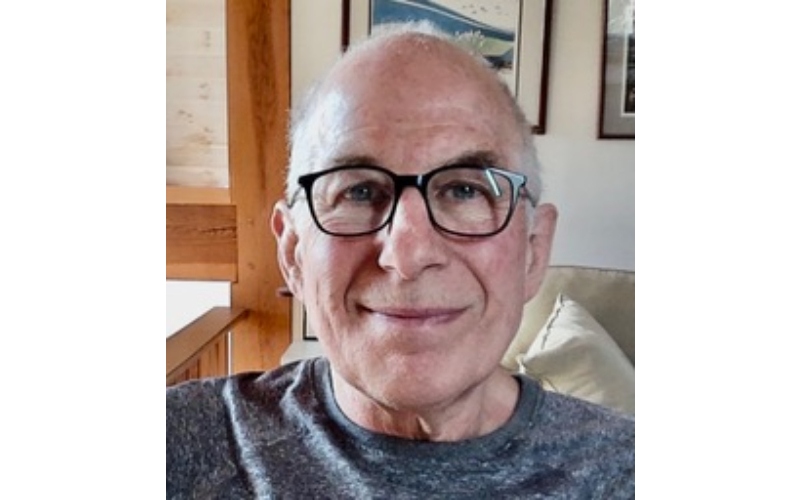
Consenstein is a retired doctor and lives in Fayston.